





A power quality monitor is a digital monitoring device based on modern microprocessor and digital signal processing technology. It can replace traditional transmitters, meters, and relays to collect and analyze key metrics in the power grid—such as voltage, current, power, harmonics, unbalance, and transient faults—in real time. It enables continuous, round-the-clock monitoring and provides accurate data for power quality assessment, fault diagnosis, and grid optimization.
Power Meters
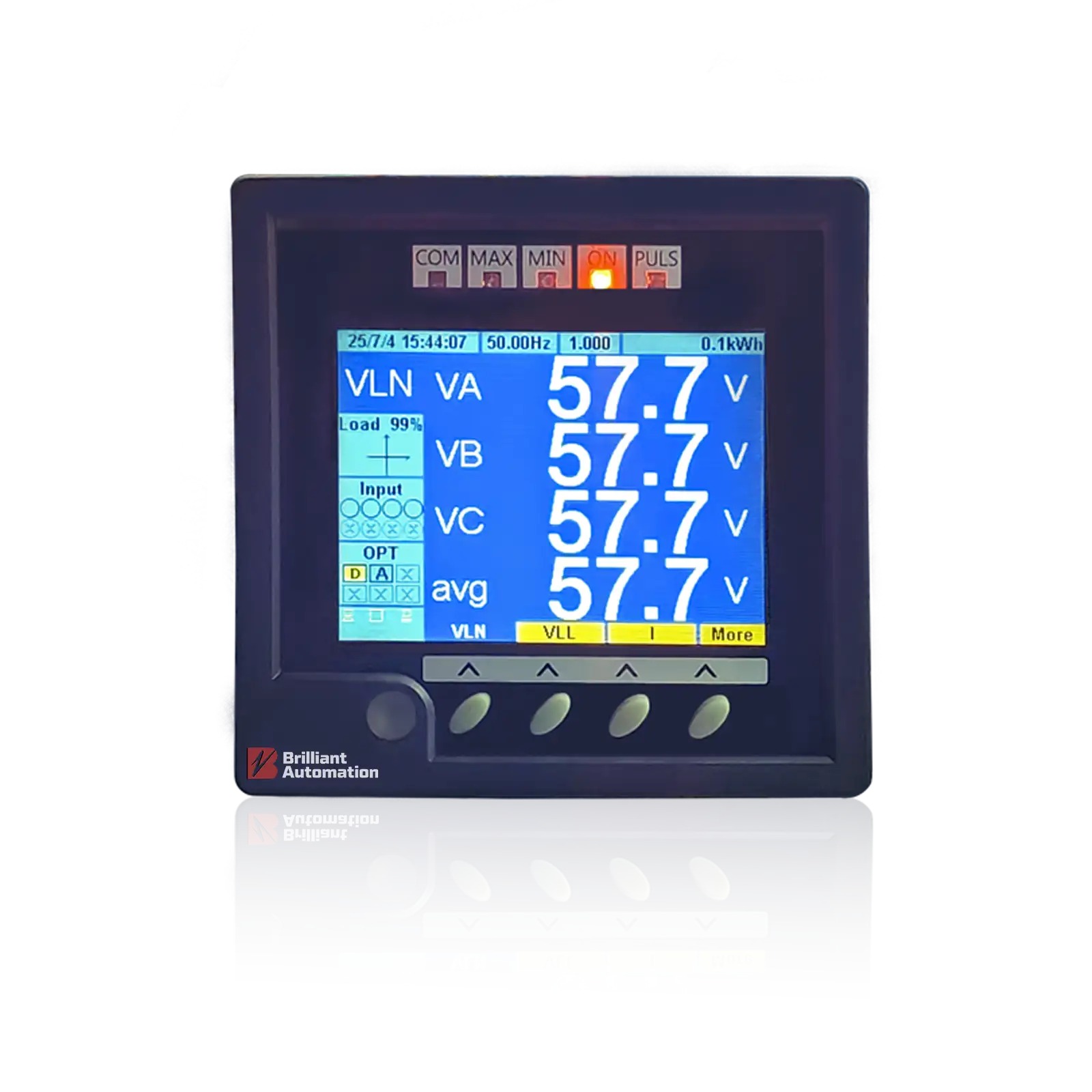
BRN-D513 Series Power Quality Monitor
The BRN‑D513 supports full‑range electrical parameter measurement, harmonic analysis, fault recording and multi‑protocol communication, making it ideal for precise monitoring in medium‑ and low‑voltage distribution networks, substations, smart buildings and other similar environments.
The BRN‑D513 series from Shanghai Brilliant Automation Technology is a multifunction power quality monitor available in basic and extended models. Built with SMT assembly, EMC protection and high‑capacity FLASH memory, it delivers Class 0.2 accuracy for continuous measurement, harmonic analysis and fault/event recording. The unit auto‑detects and logs PT/CT disconnections and phase reversal, supports time‑of‑use metering, out‑of‑limit alarms, remote operation & maintenance, and offers flexible I/O expansion (up to 8 DI / 6 DO) plus multi‑protocol communications — well suited to substations, industrial automation, smart buildings and data centres, and designed to support grid upgrades, harmonic mitigation and refined energy management.
- Measurement accuracy: Voltage/Current Class 0.2; Power/Energy Class 0.5; Harmonic Class 2.0; Frequency ±0.01 Hz.
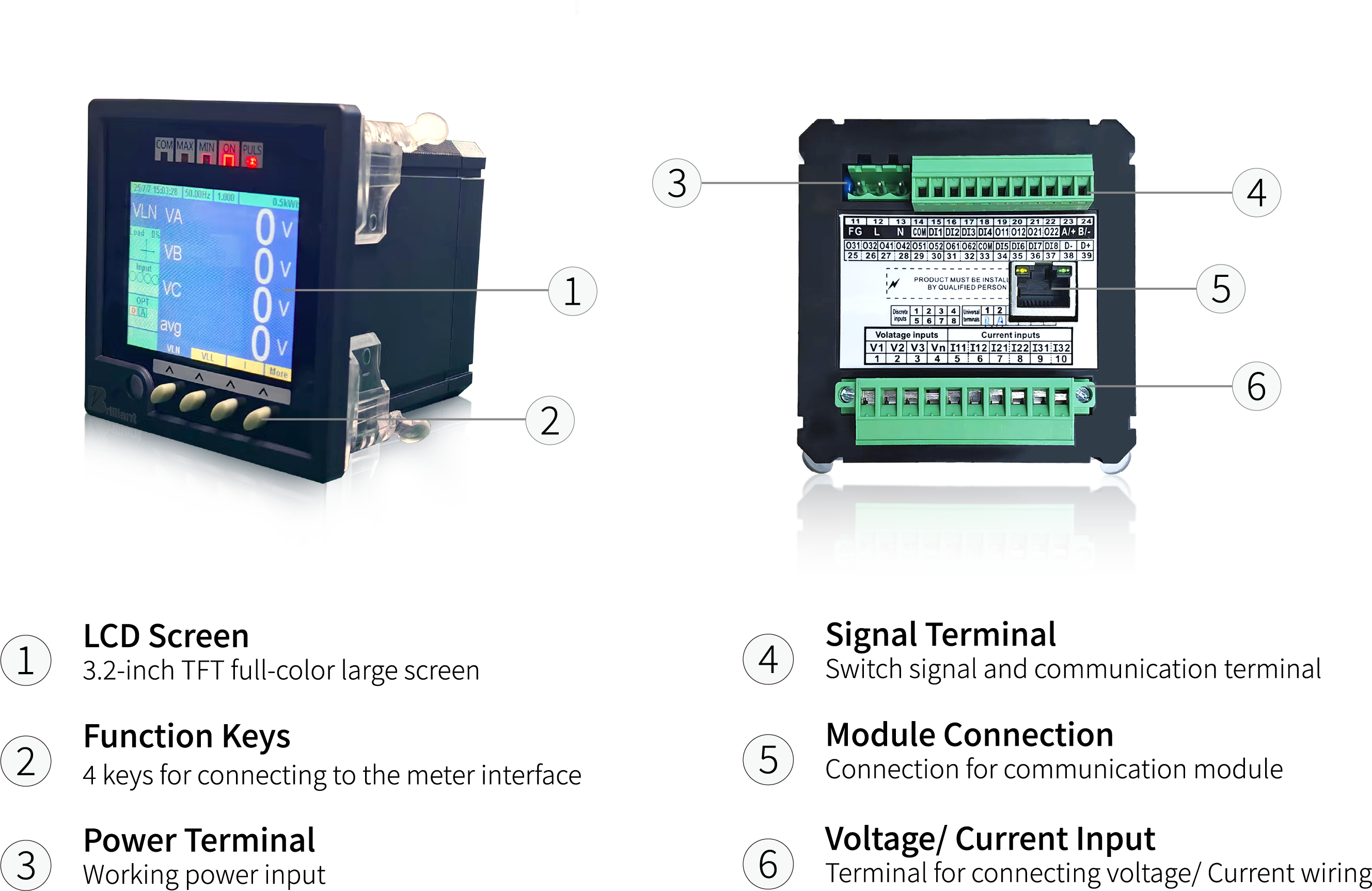
- Display & operation: 3.2‑inch full‑colour TFT, four soft keys, multilingual UI, real‑time parameter and status display.
- Core functions: Three‑phase full electrical parameters (V/I/power/frequency), 2nd–63rd harmonic analysis, phasor computation, 80 μs transient capture, 10 waveform record sets (320 samples per set).
- Energy saving & security: PIR sensor (0–5 m range, 60° angle) with automatic backlight and optional sensor output for remote security alarms.
Overview
IEC 61000-4-30 is an international standard developed by the IEC to provide uniform methods for measuring power quality (PQ) parameters in AC power systems with a declared fundamental frequency of 50 Hz or 60 Hz
Diagram
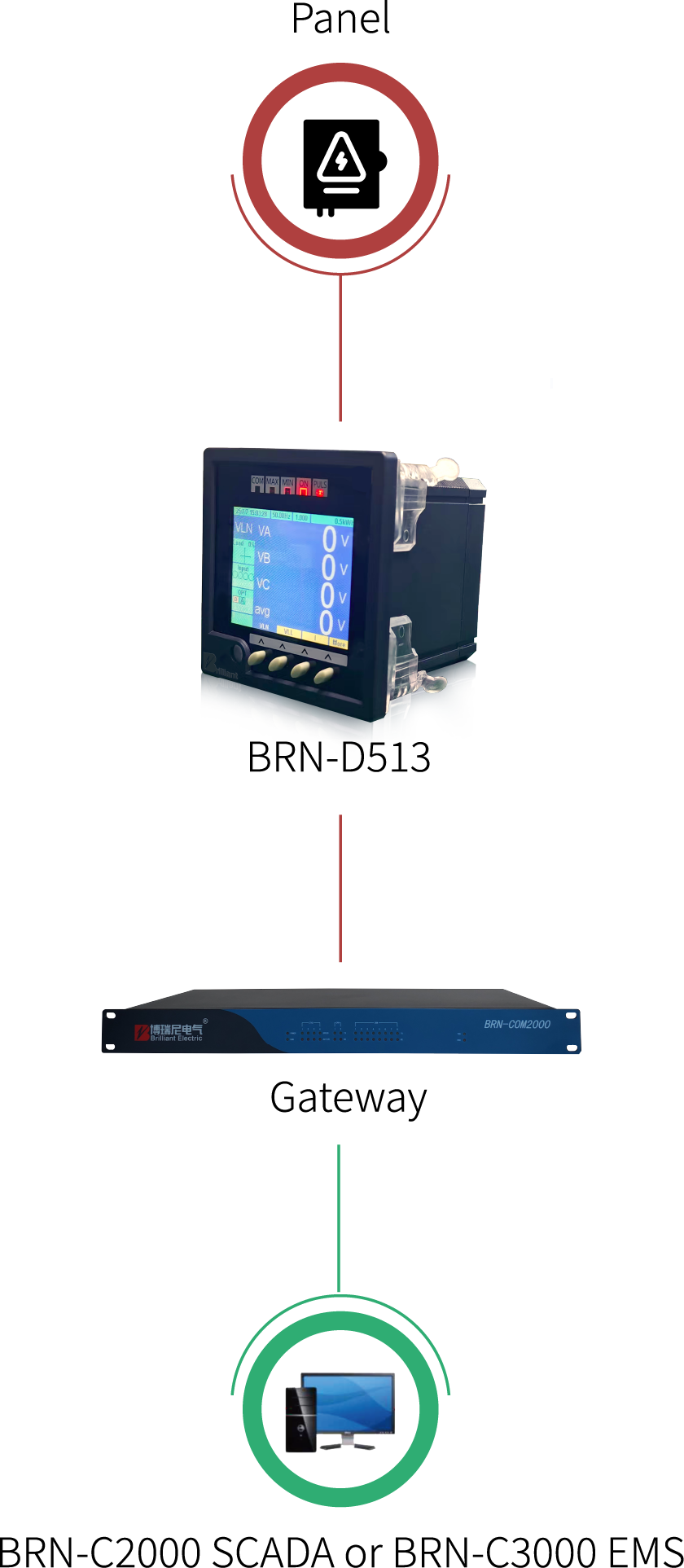
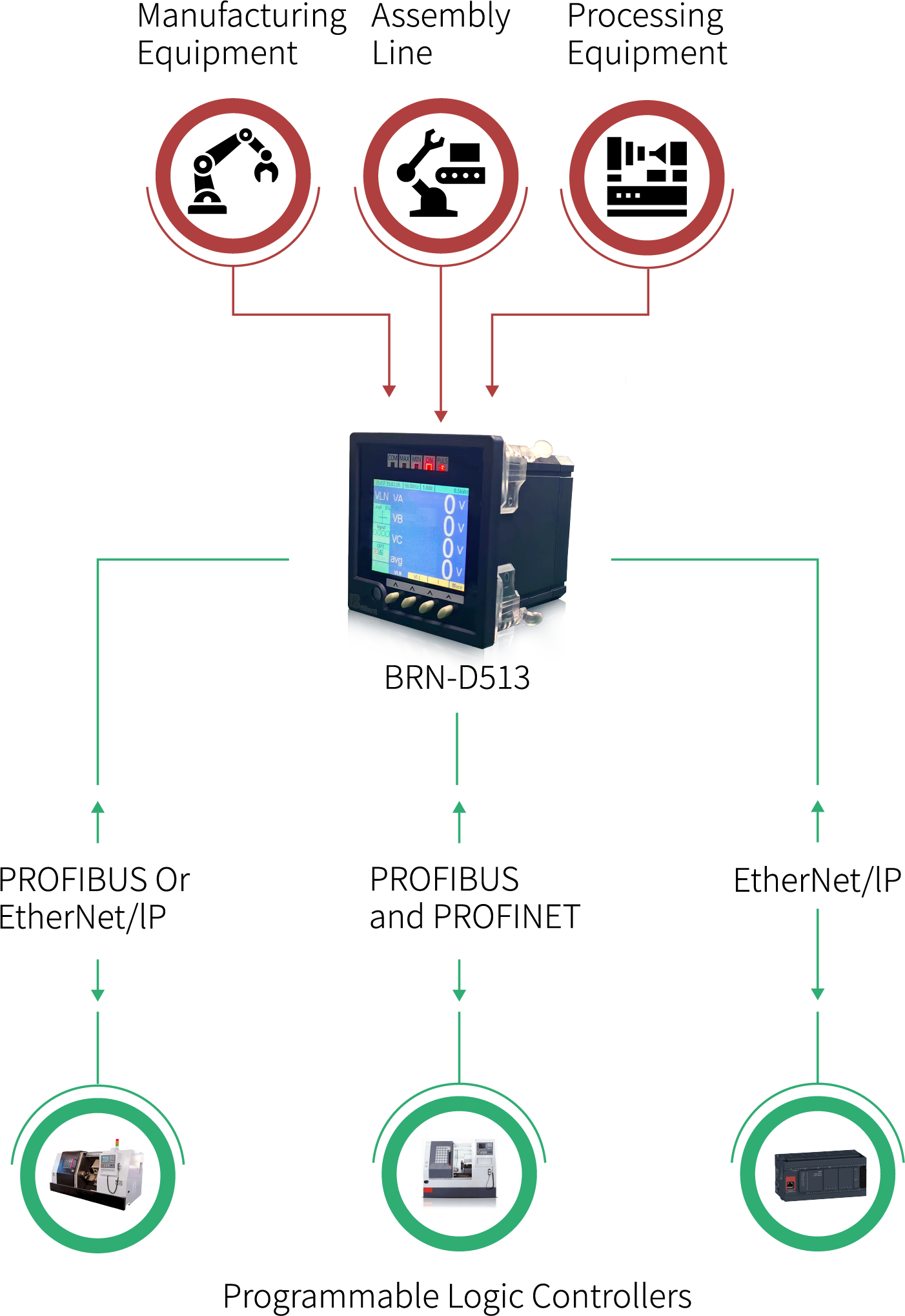
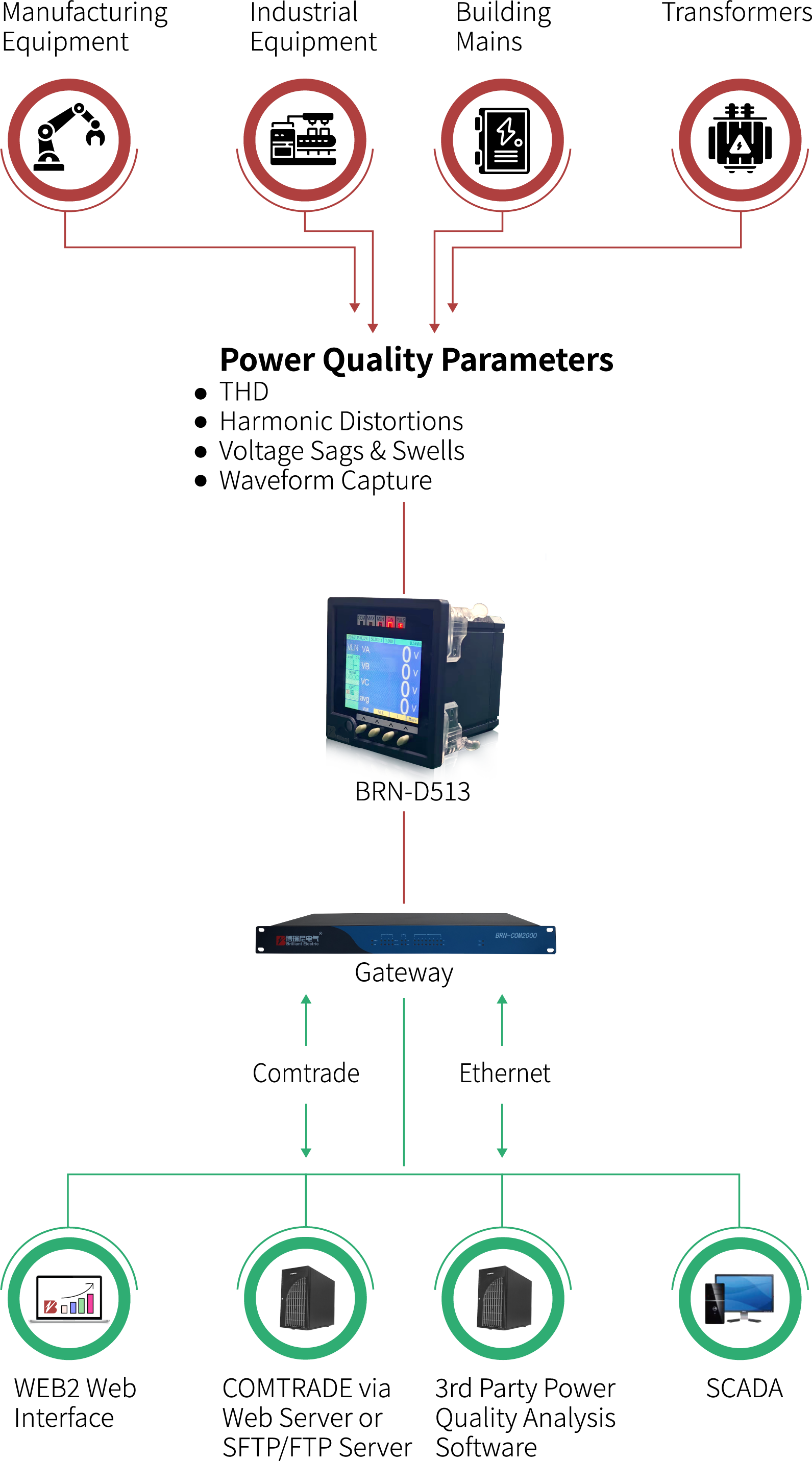
Reference wiring and deployment views for installation planning and system integration.
Product Map
Hardware layout reference for interface identification and installation planning.
Key Specs
Core performance highlights for specification review and project planning.
Measurement Accuracy
Delivers high-accuracy power quality monitoring for demanding commercial and industrial electrical systems.
Harmonic Analysis
Supports harmonic analysis up to the 63rd order to help identify distortion sources and improve system reliability.
Waveform & Event Recording
Captures waveform data and event records for faster diagnostics, troubleshooting, and post-event review.
System Integration
Integrates with SCADA, BMS, and EMS platforms through industry-standard Modbus communication.
Related Industries
Software workflows for dispatch, forecasting, planning, and grid reliability.



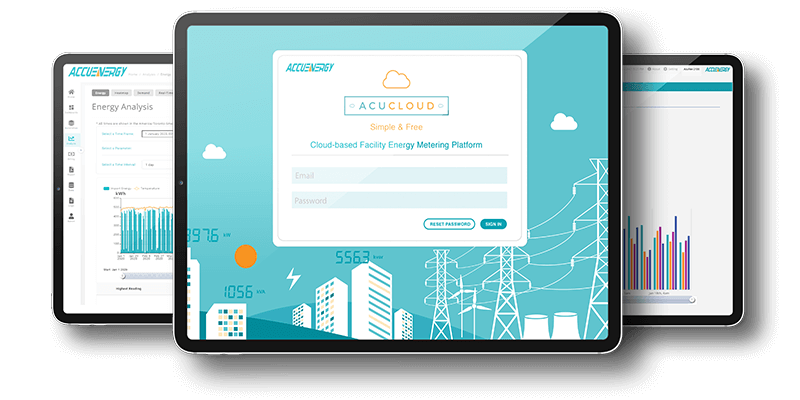
Accessories
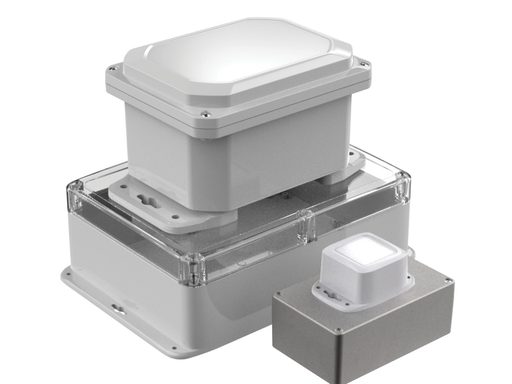
IP66/NEMA 4X Protective Cover
Tailor-made multi-specification protective enclosures for Brilliant industrial equipment. In harsh working conditions involving dust, water splashes, and other contaminants, they are essential. They provide physical protection for internal precision components, elevating the overall protection rating to IP66 or NEMA 4X, ensuring safe and worry-free equipment operation.
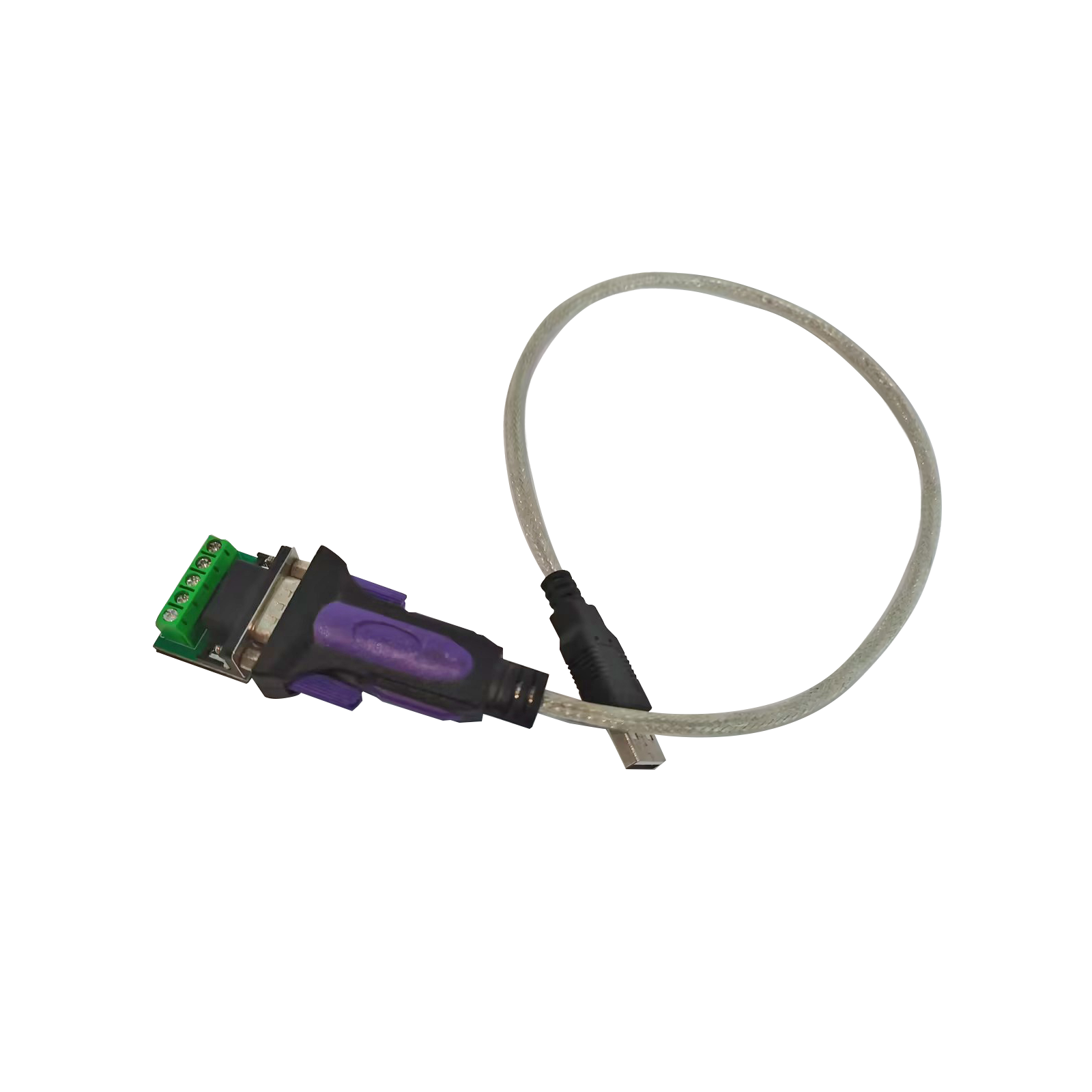
USB-to-RS485 Converter
This plug-and-play USB to Serial RS485 Converter is designed to provide a convenient and reliable connection from Brilliant meters or motor controllers to other devices with a USB port.
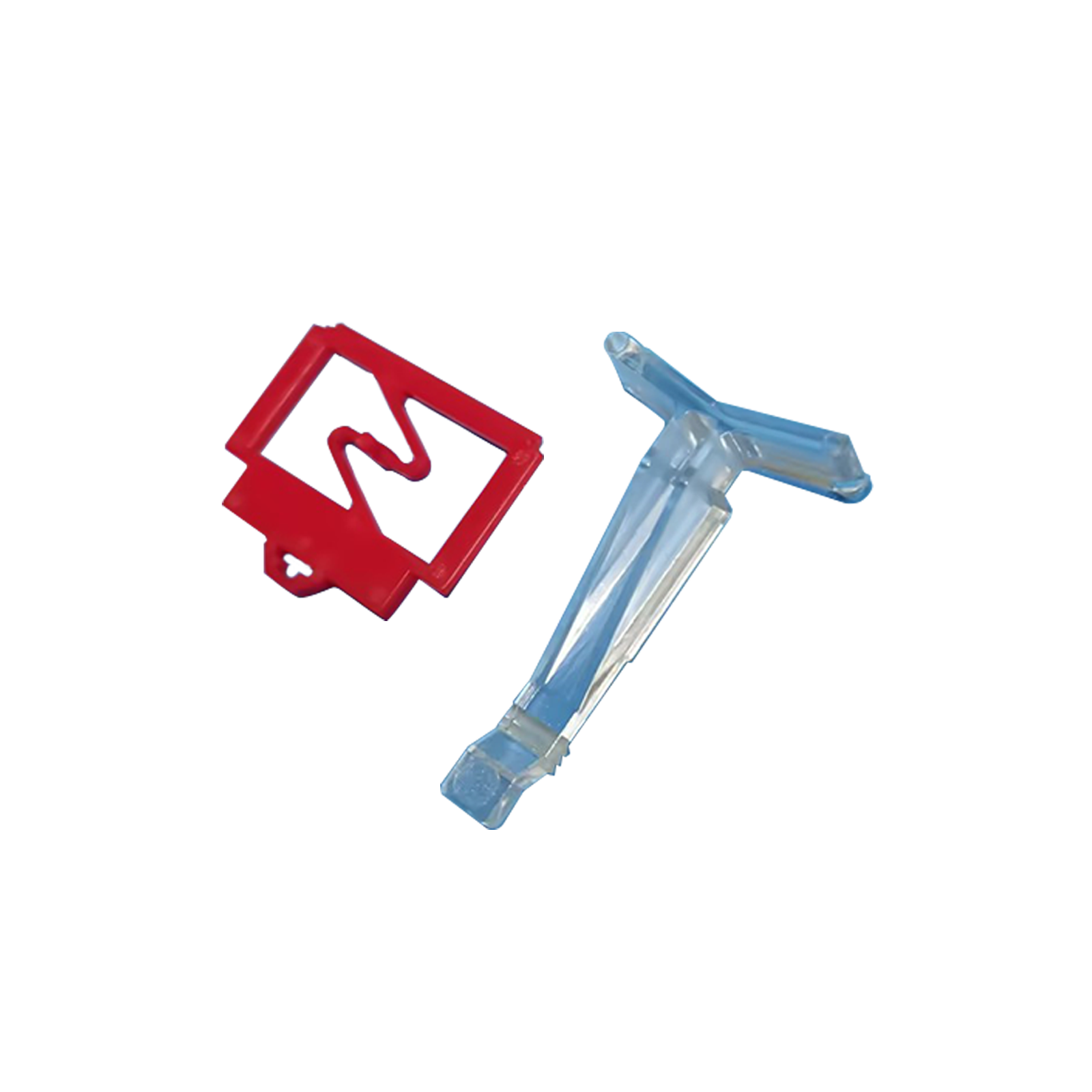
DIN Rail Adapter
The adapter easily secures Brilliant devices onto standard DIN rails. Its transparent locking clip design allows for quick tightening and release, ensuring the instrument or module is held stably and securely in place.
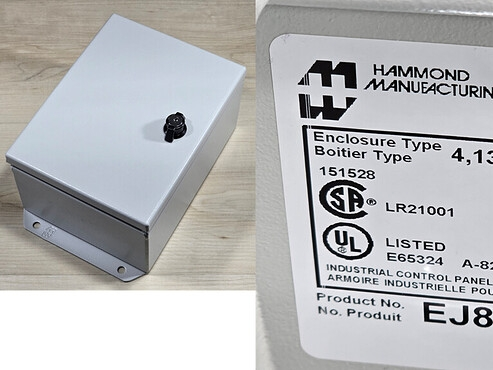
UL 508A Panel Shop
Pre-configured, pre-wired panel solution is ideal for on-site installations need to meet regional regulatory safety and environmental compliance. All panels are quality tested to be reliable and fault-free.
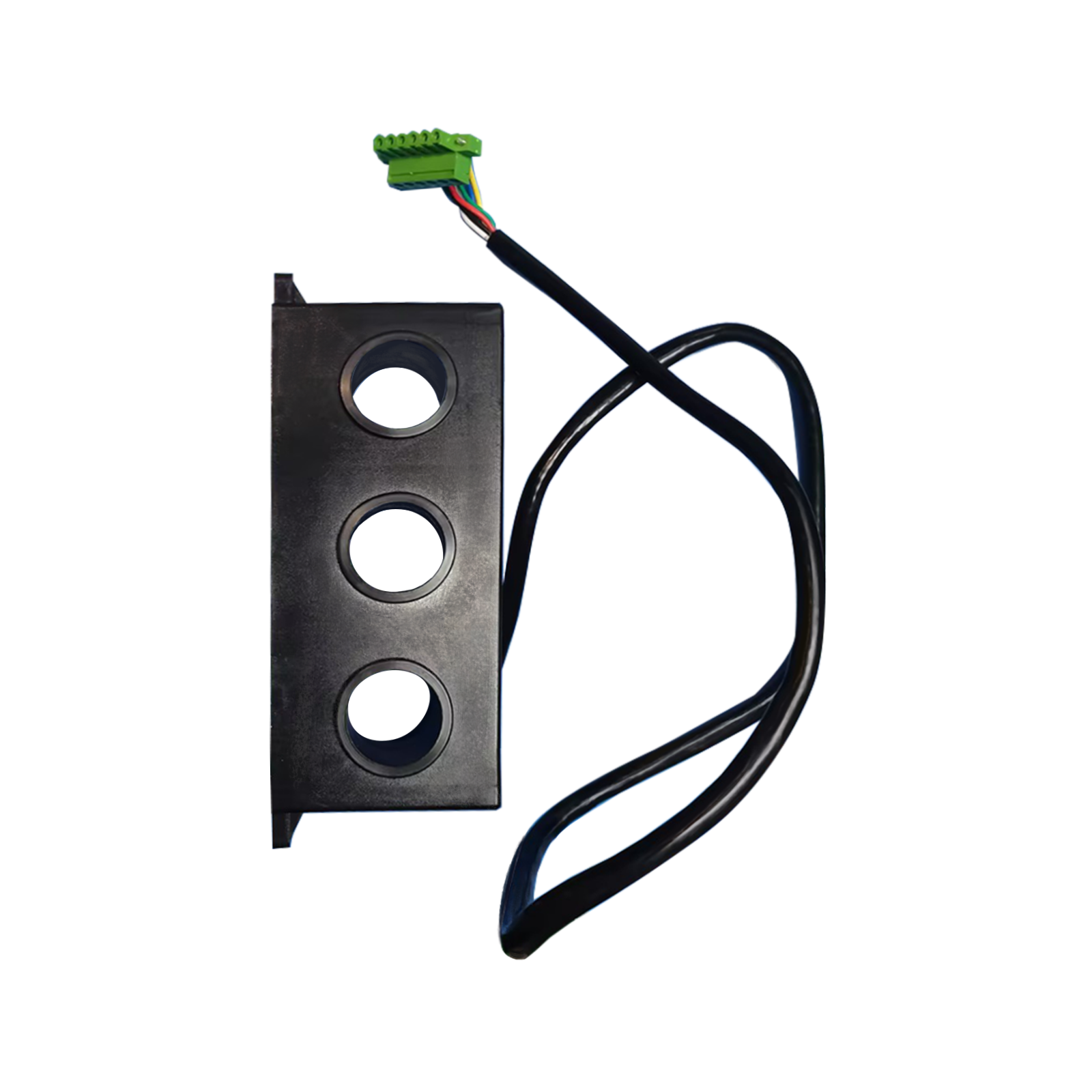
AC Current Transformers
An AC current transformer (CT) is a crucial measuring device in power systems. Operating on the principle of electromagnetic induction, it proportionally converts high primary currents into standardized low secondary currents (typically 5A or 1A) for use by meters and protective relays. Its primary functions are to provide electrical isolation from high-voltage circuits, ensuring safety, and to extend the range of measuring instruments. It is an essential component for power monitoring and revenue metering.
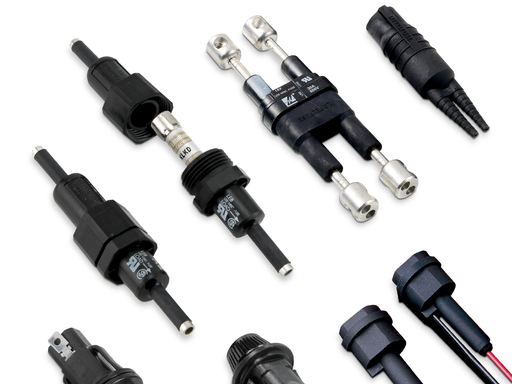
Inline Fuse
In-line fuse holders are used in places with spatial constraints to provide circuit protection in the event of a fault. It is designed to be safe to the touch and flexible for use in different types of applications.
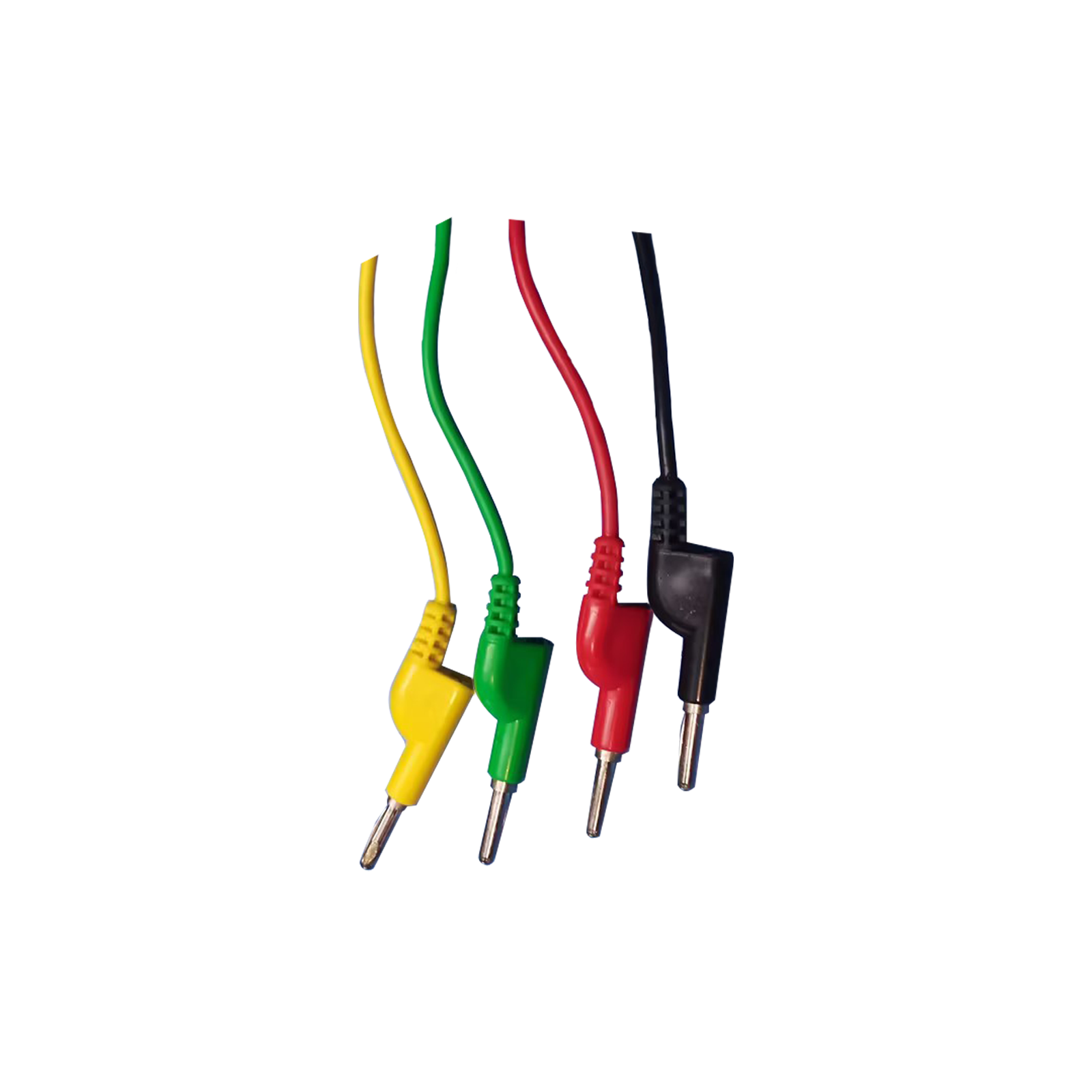
Test Lead & Voltage Clip
A 4-color (yellow, green, red, black) test lead set featuring standard banana plugs for secure connections and durable flexible insulation. Specially designed for voltage measurement, circuit testing, and multi-channel wiring. The bright color-coding ensures quick identification, making it an essential diagnostic tool for engineers and electronics enthusiasts.
Frequently Asked Questions
Common questions on wiring, setup, and commissioning.
AC energy metering is the process of measuring voltage, current, active power, reactive power, demand, and energy consumption in alternating-current systems so teams can monitor performance, billing data, and power quality behavior.
Digital panel meters focus on local display and operator visibility at the panel door, while transducers convert electrical measurements into standardized analog or digital output signals that are easier to integrate into PLC, SCADA, or DCS platforms.
Yes. With interval data, demand trends, and load profiling, an AC power meter helps identify waste, peak demand penalties, and abnormal operating patterns so optimization actions can be implemented and verified.
Current transformers safely scale primary current to a lower measurable value and provide isolation for metering devices. They allow accurate measurement on high-current circuits that cannot be directly connected to instrument inputs.
Choose a CT ratio that matches expected operating current and set the same ratio in the meter configuration. If CT ratio settings are incorrect, displayed current, power, and energy will scale incorrectly even if wiring is correct.
Typical mistakes include reversed CT polarity, phase sequence mismatch, wrong voltage pickup points, incorrect wiring mode selection, and leaving meter parameters at default values instead of site-specific configuration.
Follow the wiring diagram, verify phase mapping before commissioning, confirm CT/PT ratios in both hardware and meter settings, and run a commissioning checklist that compares measured values against known reference loads.
Request a Quote
Need pricing, lead time, or project recommendations? Submit your inquiry and our team will reply shortly.
Go to Inquiry Form